

Unconquerable No More: Why The Indian Red-Ball Cricket Reputation Lies in Ruins
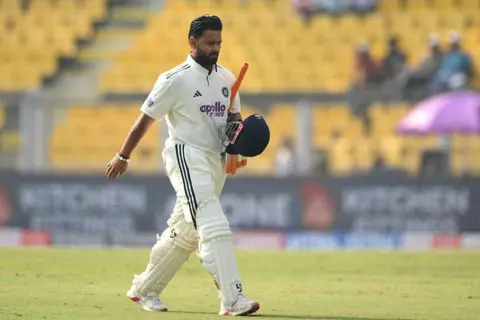
The Indian cricket team's shocking 0-2 loss to South Africa in the just finished Test series has left the team reeling.
In the final match, South Africa inflicted upon India a record Test defeat by runs, against all odds. This represented the Proteas' maiden series victory in the subcontinent in a quarter-century and the host nation's second defeat at home in just 12 months after a 12-year unbeaten run.
The winning rhythm established in the previous half-year has almost disappeared and the prospects of multiple squad members - as well as head coach the coach - are now uncertain.
Initial Hope Fades Quickly
The young team's impressive performance in England this summer, under a fresh leadership, indicated a smooth transition following the close together retirements of veterans Ashwin, Rohit Sharma, and Kohli.
An easy 2-0 triumph over West Indies at the beginning of the home campaign enhanced that perception, till the South Africans turned up and handed out a fell blow.
The home side were somewhat unlucky that leader Gill suffered an injury very early in the opening Test and did not participate again in the contest. However, that neither explains nor absolves the squad of the well below standard performance in the two games against South Africa.
Several established players were damaged, and multiple individuals eyeing extended tenures in Tests were shown as not up to the mark - in ability or temperament - for the Test cricket.
Worrying Trend
This was the second whitewash in home conditions suffered by India in just a year. Last year, unfancied the Kiwis had achieved a remarkable 3-0 triumph which effectively cost India a spot in the WTC final.
The fresh failure to South Africa could damage India's chances of reaching the showpiece of this season as well.
After being third in the WTC rankings ahead of the matches, India have been relegated to fifth place. Although nine additional matches are yet to be played, half of these are against Australia. Typically, performing in familiar conditions would be a huge advantage - even against the powerful Australians. Yet the failures against New Zealand and the Proteas provide no basis for that confidence.
Reasons for the Slump
India's frailty in the longer format has been clearly revealed. However, why India have performed so poorly in Tests on home soil lately is continues to confuse.
From the year 2000 onwards, the Indian cricket team were considered impregnable in red-ball cricket in home conditions. In demanding climates and on surfaces that helped spin and benefited their players, India brooked no opposition. The occasional loss, such as in the 2012-13 season against the English, was seen as an exception.
Now, India seem easy pickings on home turf.
Facing the Kiwis in last year and the Proteas currently, the home side were beaten at their own game. The pitches they developed to help their style failed miserably, as opponents used them more effectively, outplaying the Indian batters and bowlers when it mattered most.
What Happened?
Certain analysts propose that the Indian team is failing at home because local wickets have been changed from spinning tracks to fast tracks to prepare players to succeed abroad.
Some point out that the domestic T20 league, in which many overseas players participate, has removed the mystery and hardship Indian conditions would present to them earlier.
Even though there is validity in these views, it does not clarify the reason India's performances on home soil have seen such a dramatic drop.

Various Shortcomings
Many past stars point to a complex, multi-headed problem, not just a few causes.
Experts and participants have pointed to several failings following the team's humiliating loss to the South Africans: underrating the rivals, poor preparation, poor choices, overconfidence, frequent changes of the team lineup, and emphasizing limited-overs over the longer format.
This was evident in the showings of the side.
Players such as Rishabh Pant and Yashasvi Jaiswal, of whom high hopes were held, were punished for their nonchalance, while Sudarshan, Nitish Kumar Reddy, and Jurel - who were aiming to establish their spot in the side - came up short in technique and temperament, suffering the consequences for their lackadaisical method.
Only a handful - Ravindra Jadeja, Bumrah, Kuldeep Yadav, Siraj and Sundar - lived up to their talent and reputation - but not well enough to secure victories.
Management Questions
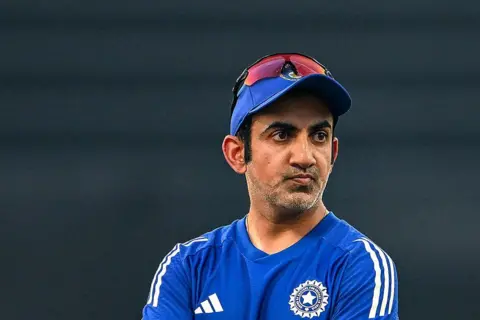
The post-mortem also included the entire setup - the selection panel and coaching staff were also questioned, fuelled by disappointed supporters and vocal past stars. At the centre of the scrutiny was head coach Gautam Gambhir.
During his post-series press